

A personal trainer’s perspective on shattering common misconceptions about aging through the power of consistent movement
The falsehoods about aging need to go — immediately if not sooner. Most of them are losing propositions that we must actively reject
Because if we listen to those old wives’ tales (or “old age tales,”), those of us in our 60s and beyond risk a decline in our overall health – both mental and physical – and in our ability to maintain the happiness that comes with independence of mind and body and, most importantly, of spirit. And scarily enough, there are times when there is no going back once we reach the point of giving up. Once our bodies are shot and our minds become lost vessels at sea, climbing out of that hole may seem like forever.
According to the National Institute on Aging, there are 10 common misconceptions we make about getting older. The government agency cites these facts:
- 1. Depression, isolation and loneliness are not normal aspects of aging
- 2. Older adults need the same amount of sleep as others (generally seven-to-eight hours a night)
- 3. Older adults can absolutely learn new skills to boost cognitive health
- 4. Developing dementia is not inevitable
- 5. Exercise and physical activity are especially crucial for older adults to maintain our independence
- 6. If another family member has Alzheimer’s disease, that does not mean you will get it
- 7. As long as you have the ability, you do not need to give up driving. More than 52 million U.S. adults over age 65 still drive
- 8. Although more women have osteoporosis, men can have it too. Again, exercise can help immensely
- 9. You are never too old to quit smoking
- 10. Don’t stop taking your blood pressure medicine even if your blood pressure has dropped
My Wake-Up Call
My personal quest for better health over the past decade has checked off many of these boxes. As I approached age 60, a sudden heart attack handed me a major health scare. In its wake, I felt the suffocating effects of depression and isolation. I was uncertain whether I could ever regain the stamina and energy I needed to function as I did when I was my younger self. I worried about that “inevitable decline” to old age that we all hear about, those negative statements that should be dashed from our vocabulary.
I wondered whether this old dog could learn any new tricks or if my increasingly tired body and work-burned-out mind would leave me in a forever rut. I was ready to give up, in some ways, on my health after a stent was placed in my artery. I carried the feeling of sluggishness from being overweight. Meanwhile, I was slipping deeper into a dark pit of depression.
Fortunately, it bothered me too much. I embraced the truth that letting the feeling of oncoming depression sit and fester could lead to chronic illness, another heart attack and possibly an early demise. The fear factor reached its tentacles into my soul. It kept me awake at night, it was present as an extra weight every step I took, it rearranged my mind to be wary of complacency. I took the words of Plato to mind: “Complacent ignorance is the most lethal sickness of the soul.”
Taking the First Baby Steps
Fortunately for me, I found my calling, the shoals where I could land after a few years adrift at sea. After asking for approval from my cardiologist when I completed cardiac rehab, I started running. What began as slow treadmill walks soon graduated into faster-paced power strides and slow-paced jogging, then to a mixture of more intense running bouts between recovery periods. I eventually joined an area running group, which provided the vital social connections I desperately needed to keep going. Pushing my limits, I successfully finished a half marathon alongside others who had never accomplished it before.
It took slow, gradual momentum, but I got there. And then and there, I decided that as I grew older, strength and conditioning could be a great complement to a cardio workout. Again, I had difficulty keeping to a routine on my own. Instead, I joined a specialized gym that featured group workouts and small-group training. Surrounding myself with this community completely revitalized my path, proving that group settings make staying consistent infinitely easier. As the tagline to my website (www.newchapterstrength.com) attests, it added life to my years.
Now, I work to help others in a similar position find a similar calling to improve their health, offering remote training for anyone in the world.
What I really want to share, as I’ve said before, is that old age can be merely a mindset, and a negative one at that. The National Institute on Aging has a nice YouTube video on the emotional benefits of exercise, which you can view at this link. They recommend anything from Tai Chi or other mind-body exercises to resistance training as good, low-intensity ways to get gradually moving again.
Understanding Your Body’s Limits
There is another wrinkle to that. I mentioned the mentally debilitating effects of loneliness, isolation and depression as we age, when we realize that we cannot do the things we’ve done before in the same way or with the same energy. I know this lesson in reverse: Now, at 68 years old, I occasionally still push myself too much.
Recently, after an hour-long strength and conditioning group session, I mistakenly thought I was 25 again and opted to jog three miles immediately after the workout. It felt great at the time. Until the next day, that is, when delayed onset muscle soreness (called DOMS in personal trainer parlance) made me realize that everyone has their limits. My lumbar back region felt as stiff as a bridge, and I was walking as gingerly upright as Frankenstein’s monster. But with some yoga and treadmill walking, along with some back-strengthening exercises, I felt better a few days later.
Depression is a real thing as we age, especially as we get more sedentary and less willing to be socially active. I overcame my symptoms by joining groups and forming communities, by finding new goals to accomplish (something I keep doing today), and by realizing that I should not let age or health conditions block my path to a hopefully long future.
Just listen to doctorly advice. Two medical doctors who has written books on the subject of longevity weigh in on the subject. Dr. Peter Attia, author of “Outlive: The Science and Art of Longevity,” writes that ““Exercise is by far the most potent longevity “drug.”And Dr. Kenneth Cooper famously added that “We do not stop exercising because we grow old, we grow old because we stop exercising.”
You don’t have to listen to me, just listen to medical authorities and to your own bodies. If you have a chronic condition that stands in your way from more intense physical activity, that is perfectly fine. Anything that leads to more activity, whether it’s just stretching, or walking, to out-and-out resistance training or jogging, can bring you the health and satisfaction you deserve. Baby steps can lead to more steps to attaining a goal that might have seemed out of reach before.
My personal advice is to try something you’ve never done before, like joining a yoga or Pilates class, or finding a group workout at a gym or remotely. Get into a groove with a group, and you’ll find the process much easier to accomplish. You’ll gain your own sense of satisfaction by realizing that you can keep moving forward, that adding more birthdays does not mean subtracting from your health.
Old age can be merely a negative mindset. The singer Cher is a good example of someone who hasn’t let age get in the way of happiness. She has been around forever; I remember watching The Sonny and Cher Comedy Hour as a tween. She is also blunt on the subject of exercise: “Fitness – if it came in a bottle, everybody would have a great body.”
Like Cher, Madonna, Dick Van Dyke or any other role model we might have for healthy aging, we know that there are no shortcuts or substitutes to good fitness. There are no shortcuts, miracle drugs, or cosmetic quick-fixes that can outpace exercise as a lever to avoid the negative effects of getting older. Any movement—whether it is slow walking, resistance bands, pilates, or gentle stretching—will build strength and balance required for a richer life. If you want more, you can also set a goal. Or target yourself to lose weight, gain strength, or add balance and flexibility, with a defined outcome and process to get there. Trainers like me and others can certainly help.
Just listen to what the experts say, from the National Institute on Aging to esteemed doctors. It is up to you how you want to age. Be happy in your own skin, but don’t let complacency be an obstacle. You have a lot to live for.
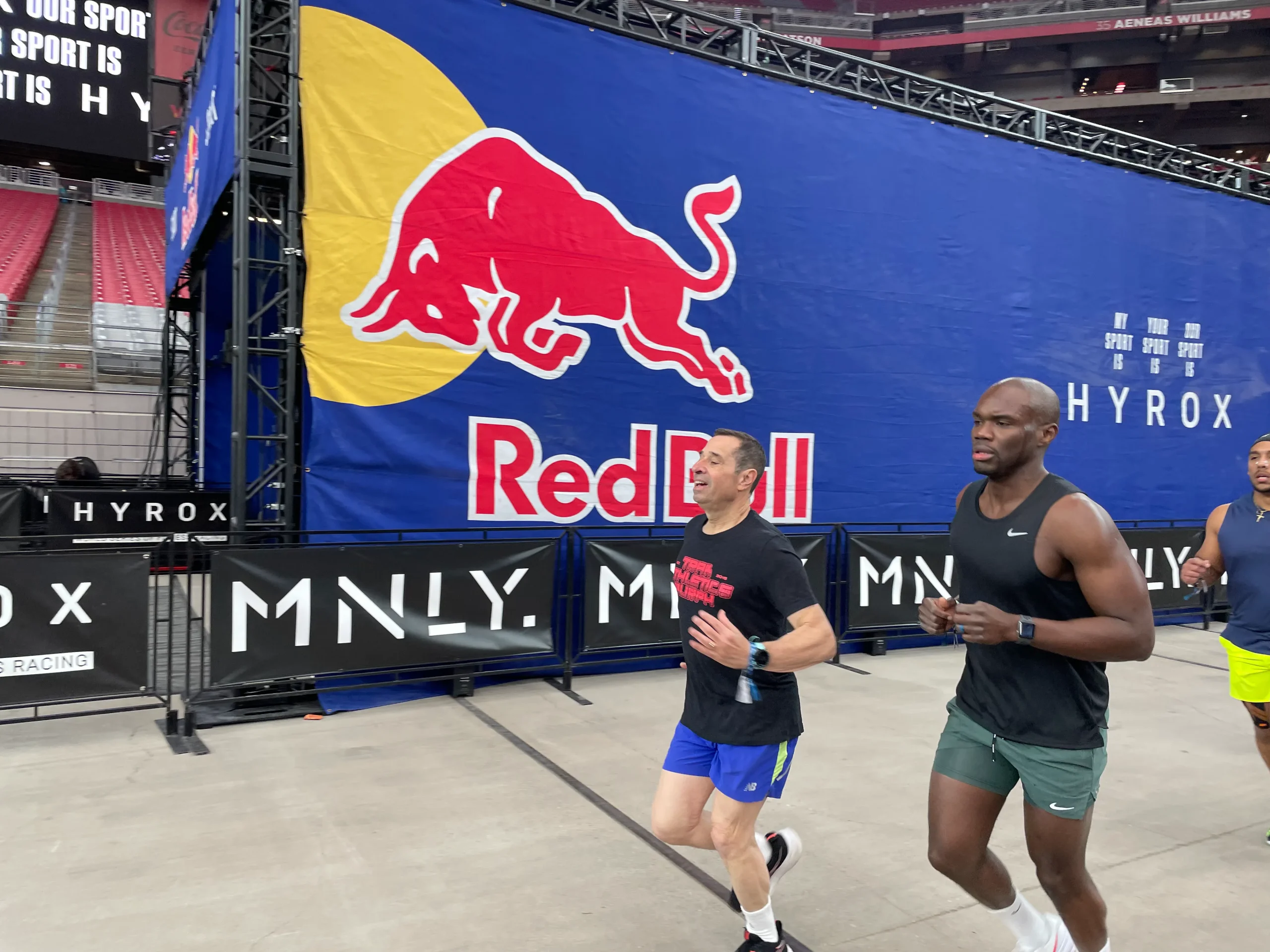
Joe Pryweller is a longtime fitness advocate who has finished close to 20 half marathons, a full marathon, a Spartan Race and a Hyrox competition in his 60s and has worked with others on their fitness journeys. He survived a heart attack in 2015 and has used that experience to motivate himself and others to reach fitness goals.
Joe is a Certified Personal Trainer through the National Academy of Sports Medicine and operates a remote and in-person exercise coaching business called New Chapter Strength. He is also a professional journalist who writes articles on fitness-related topics for Boldtimers.com and elsewhere.
If you are looking to kickstart your own fitness journey, you can visit New Chapter Strength for a free exercise consultation. You can email Joe at New Chapter Strength or go to his website, www.newchapterstrength.com for a free consultation.
Medical Disclaimer: The information provided in this article is for general educational purposes only and should not be taken as personalized medical advice. Always consult with your cardiologist or primary care physician before beginning any new exercise regimen, especially if you have a history of chronic health conditions or heart complications.